finance
What Frankfurt Residents Need to Understand About Regional Workforce Training
State programs and local institutions offer pathways for skill upgrades that directly affect job security and daily economic stability in the city.
How we reported this
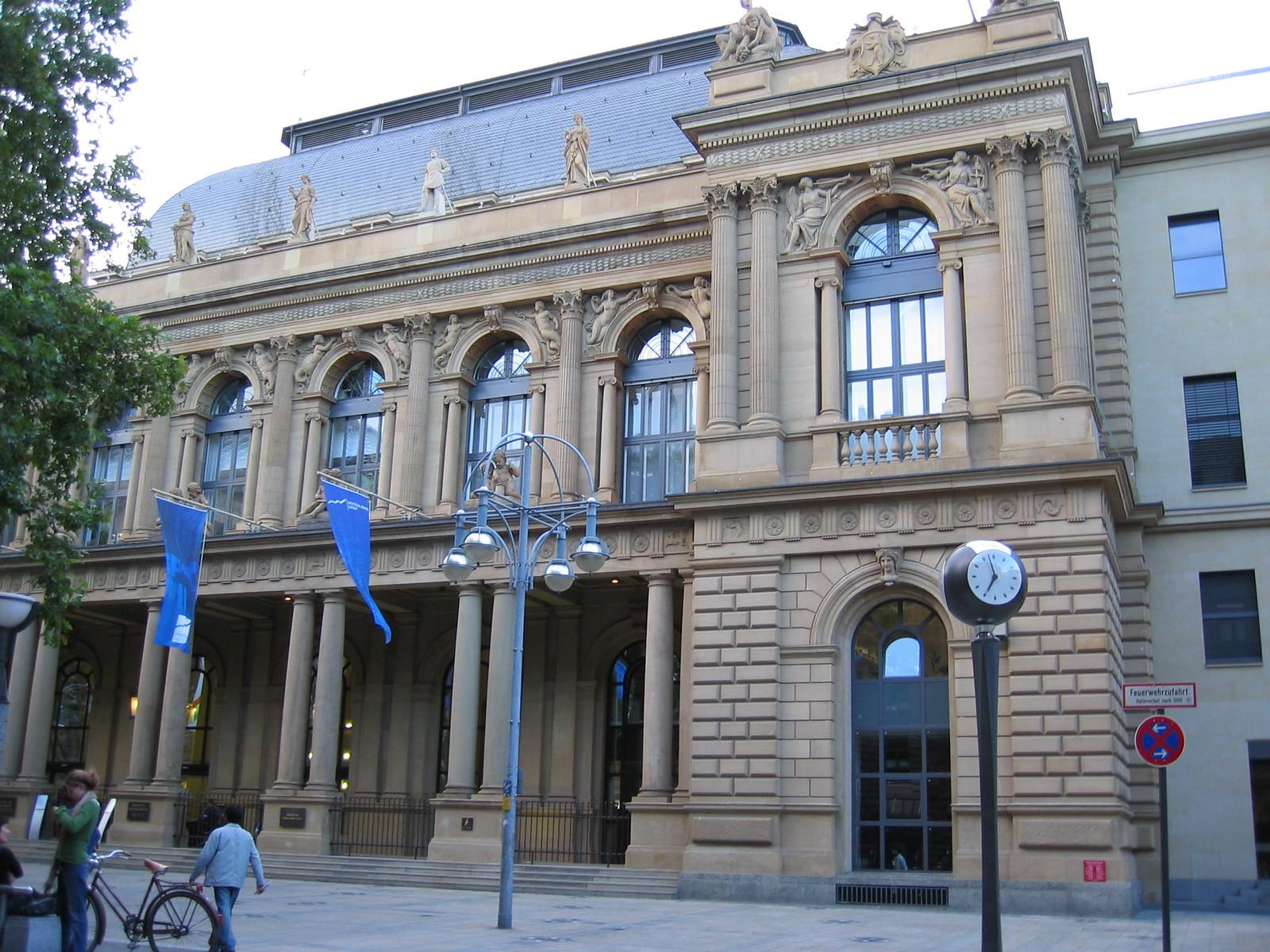
Hesse launched the Future Convention on Skilled and Labor Workforce in March 2025 to tackle a projected shortage of 240,000 skilled workers by 2030, with vocational training and continuing education as central pillars for the Frankfurt region.
The convention matters now because demographic pressures are already thinning the local labor pool. Frankfurt recorded 603,150 employees as of 2021, and 19 percent of those workers were over age 55, a share that points to accelerating retirements in coming years. Everyday residents feel the effects through tighter job markets in retail, logistics, hospitality and public services that rely on steady inflows of qualified staff.
Frankfurt's city administration runs its own training system that covers around 15,000 employees with further education courses and an internal trainee program aimed at specialist and leadership roles. Residents employed by the municipality or considering public-sector work can use these routes to move into higher positions without leaving the city payroll.
Key Institutions and Funding Rules
Two established organizations handle most vocational advice and delivery in the Rhein-Main area. The Zentrum für Weiterbildung provides training programs across the region, while the Frankfurt Chamber of Industry and Commerce offers guidance on qualifications and recognition of foreign credentials. The Qualification Opportunities Act supplies the financial backbone, with 2024 updates allowing 100 percent wage-cost reimbursement for small enterprises that send staff on approved courses.
These mechanisms create practical entry points for residents who want to change careers or add credentials. Small business owners can recover full wage costs during training periods, and larger employers can tap partial subsidies to retain staff. Workers outside the city administration can approach the IHK or ZFW for personalized advice on which programs qualify for support.
Next Steps for Residents
Anyone interested should contact the Frankfurt Chamber of Industry and Commerce or the Zentrum für Weiterbildung to review current course offerings and subsidy eligibility. Checking personal qualification status against the Qualification Opportunities Act rules gives a clear picture of available financial help before committing time or money to training.
This article is general information only and is not personal financial or investment advice. Consider your own circumstances and seek licensed professional advice before making financial decisions.