culture
Frankfurt Rebuilds Its Cultural Identity From Historic Roots to Modern Art
From the reconstruction of the Römerberg to the rise of contemporary art spaces, the city’s identity continues to shift as residents seek out historic roots and modern expression.
How we reported this
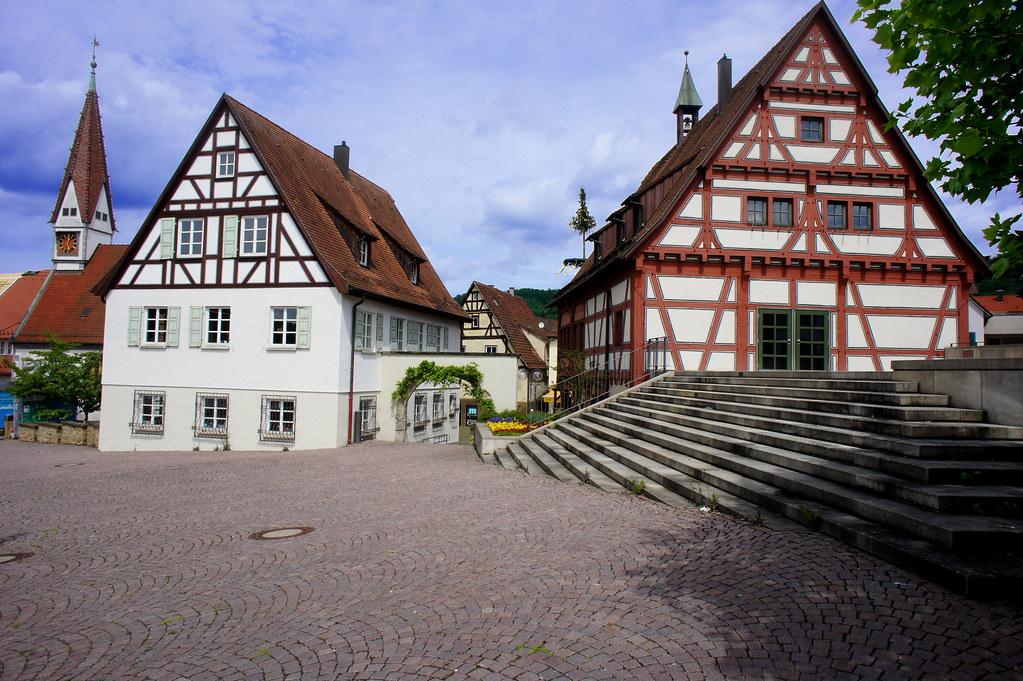
Frankfurt marks a quiet Saturday today, with residents and visitors alike gravitating toward the confluence of heritage sites and modern institutions that define the city’s current cultural landscape. While international headlines focus on the shifts in global politics and the aftermath of events in the Middle East, the mood along the banks of the Main remains anchored in the long-standing tradition of civic engagement and artistic renewal.
A Heritage Redefined
The evolution of Frankfurt’s cultural scene is etched into the very architecture of the Altstadt. The reconstruction of the Dom-Römer Quarter, a multi-year project finalized in recent years, serves as a focal point for those exploring the city’s history. Walking through the narrow alleyways near the Frankfurter Dom, one sees the deliberate effort to reconcile the city's medieval foundations with the necessity of post-war development. This area, once a center for trade and medieval guild activity, has transitioned into a living museum that houses small boutiques, cafes, and residential spaces.
Cultural institutions like the Städel Museum continue to exert a gravitational pull on the city’s social life. Founded in 1815 through the endowment of Johann Friedrich Städel, the museum has transitioned from a private collection to a globally recognized center for art, reflecting the city’s historical transition from a financial hub to a destination for the arts. Similarly, the Schirn Kunsthalle, located in the heart of the city, persists as a venue for modern discourse, consistently hosting exhibitions that challenge the boundaries of the traditional gallery experience.
Navigating the Modern Urban Experience
Today’s activity in the city is supported by a robust public transport network operated by the VGF. According to the city’s latest public records on transit accessibility, the system facilitates travel across the metropolitan area, ensuring that historic sites remain integrated with newer developments like those found in the Bahnhofsviertel. The demographic shifts in this district are evident, as former commercial spaces are increasingly occupied by independent galleries and workshops, moving away from the area's purely transit-oriented history.
For those looking to engage with the city’s evolution this weekend, the weekend markets at the Berger Straße remain a primary destination. These markets are not merely retail spaces; they represent the ongoing connection between the rural surroundings of the Wetterau and the urban population of Frankfurt. As the season progresses, visitors are encouraged to check the official listings for the Museumsufer, where the summer programming highlights the intersection of riverfront leisure and historical education. Residents planning their route should consult the RMV portal for real-time adjustments, as the city continues to prioritize accessibility for all visitors looking to traverse the transition between old and new Frankfurt.