culture
Frankfurt's grassroots events reshape city identity beyond banking sector
From the banks of the Main to the galleries of the Bahnhofsviertel, a surge in grassroots programming is reshaping Frankfurt’s reputation beyond the banking sector.
How we reported this
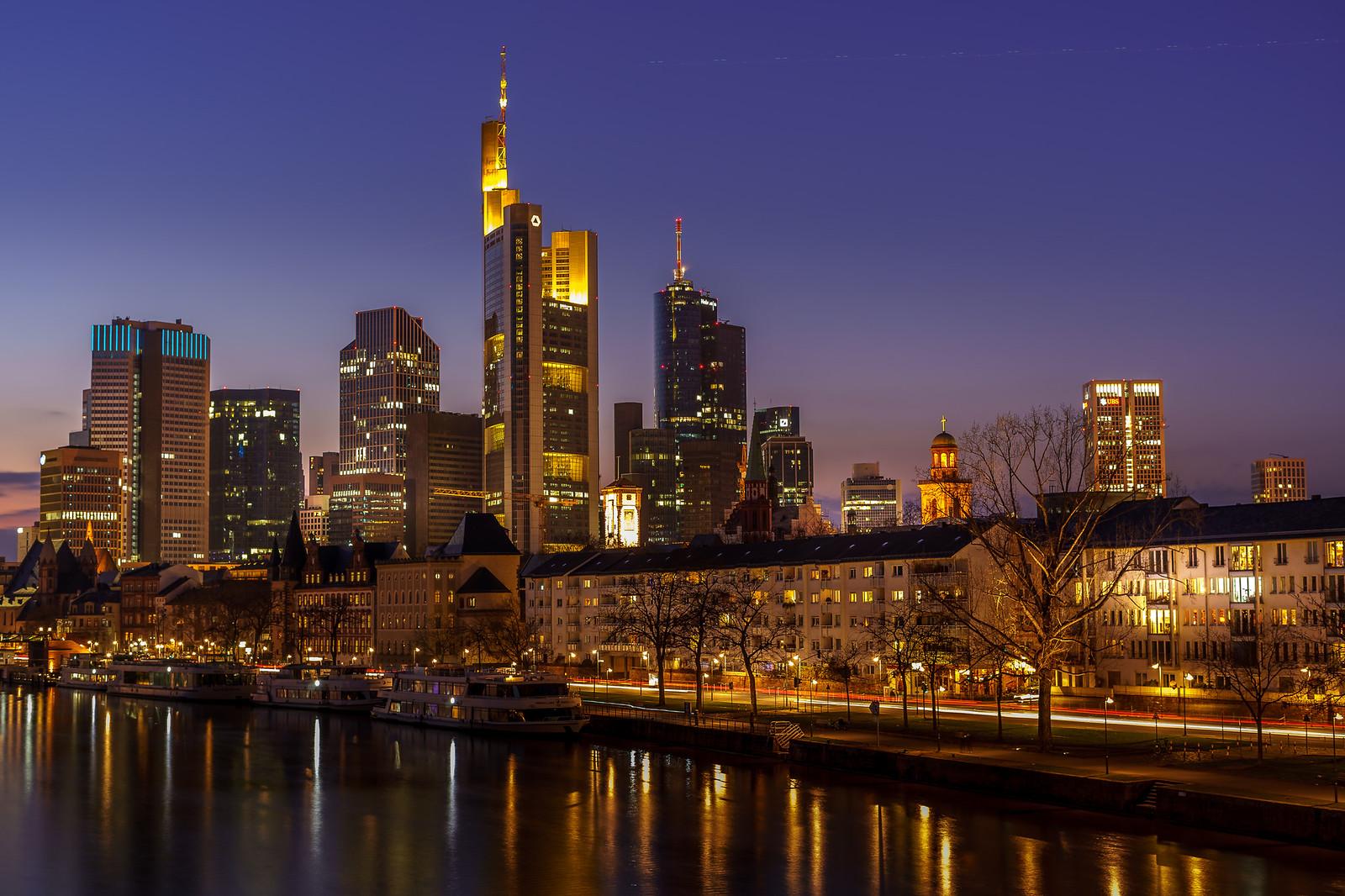
Frankfurt’s cultural calendar hit a fever pitch this weekend, as the city transforms its industrial spaces and riverfront parks into hubs for experimental art and performance. Across the metropolis, from the sprawling lawns of the Grüneburgpark to the narrow streets of the Alt-Sachsenhausen district, the intersection of local history and contemporary innovation is becoming the primary driver of the city's image.
Reclaiming the Urban Canvas
For years, the perception of Frankfurt remained anchored strictly to the skyline of the Banking District. This July, however, organizations like the Frankfurter Kunstverein and the local collective behind the Bahnhofsviertel Night Market are pivoting toward a more fluid, interactive identity. The focus has shifted from high-finance aesthetics to the gritty, authentic creative output found in the city’s residential neighborhoods. Events scheduled for today and tomorrow prioritize public participation, moving art out of the museum and onto the pavement.
This shift isn't accidental. It follows a coordinated push by the Department of Culture and Science to integrate local talent into the city's broader urban planning strategy. According to the city's latest tourism report, municipal funding for neighborhood-based cultural initiatives rose by 14 percent for the current 2026 fiscal year. This financial commitment supports over 40 distinct events occurring between Friday and Sunday, ranging from open-air jazz sessions in the Nordend to digital art installations projected onto the historic facades of the Römerberg.
The Economics of Creativity
The financial accessibility of these events remains a cornerstone of the weekend’s appeal. While major ticketed exhibitions at the Städel Museum hold their standard entry price of 16 euros, the majority of the city’s new creative programming-specifically the street festivals in the Gallus district-is free to the public. Organizers note that by removing the barrier of entry, they are fostering a demographic mix that rarely interacts within the city’s more polished corridors.
Visitors planning to experience the city this evening should prepare for significant crowds around the Alte Oper, where a series of avant-garde performances will take place until midnight. Transit authorities have increased the frequency of U-Bahn lines U1 through U3 to accommodate the expected influx of pedestrians. Those looking for a more intimate look at Frankfurt's creative output should head to the independent galleries near the Ziegelhüttenweg, where several pop-up studios are hosting weekend-long open houses. This blend of structured programming and spontaneous street life is the new benchmark for Frankfurt, moving the city away from its corporate monotony and toward a more vibrant, unpredictable future.