news
Frankfurt Tackles Fake Property Photos Distorting Housing Market Crisis
Duplicate and outdated property images are distorting Frankfurt's already strained housing market, and landlords, portals, and city planners now face a reckoning over how to clean up the data.
How we reported this
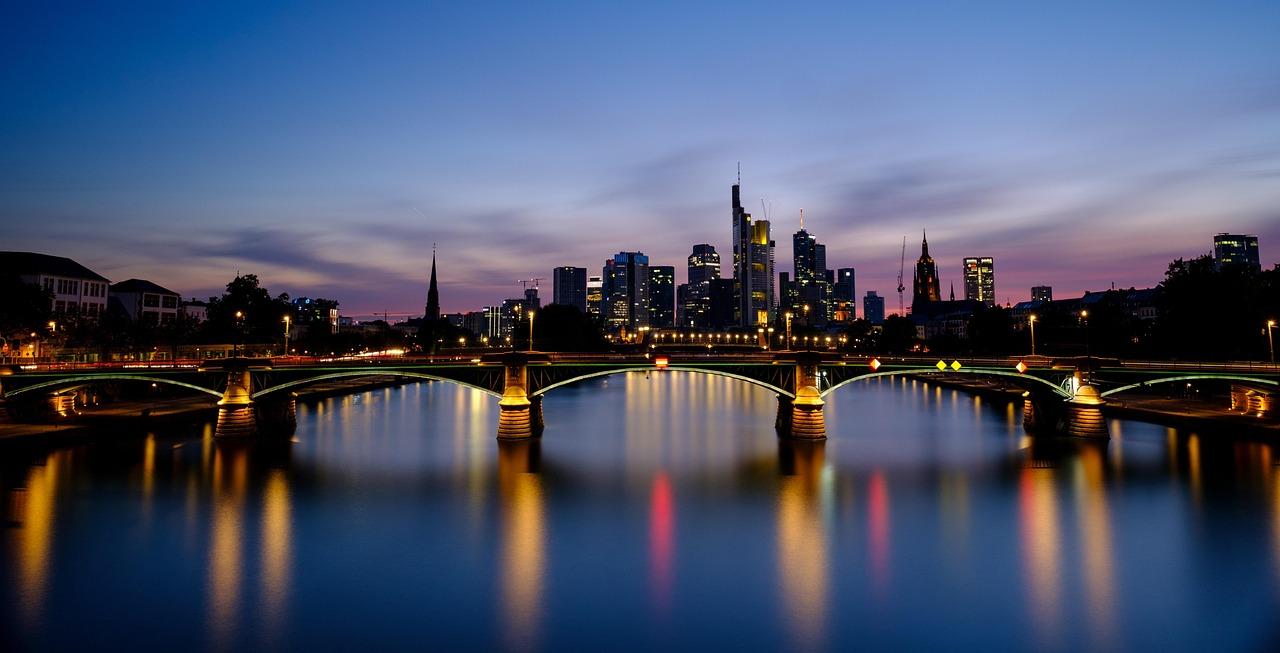
Frankfurt's housing market runs on photographs. A Nordend two-bedroom listed with sunlit parquet floors and a Juliette balcony can draw hundreds of enquiries within 48 hours. The problem, documented by consumer advocates and increasingly raised inside Stadtplanungsamt Frankfurt, is that a significant share of those images are duplicates, recycled from previous tenancies, lifted from other listings, or digitally altered, leaving prospective tenants chasing properties that bear no resemblance to what they eventually view on Berger Straße or Sachsenhausen side streets.
The issue has sharpened this summer for a practical reason: Germany's Digitale-Immobilien-Verordnung framework, which sets baseline standards for online property marketing across all 16 Bundesländer, is due for its first substantive review in the third quarter of 2026. Frankfurt, as the country's most competitive rental city by listings-per-applicant ratio, finds itself at the centre of that debate. City housing officers and the Haus & Grund Frankfurt property owners' association are both preparing submissions ahead of a September consultation deadline.
How the Duplicate Problem Compounds Frankfurt's Housing Crunch
The underlying pressure is measurable. Frankfurt's vacancy rate for residential properties sat below one percent according to city planning figures published earlier this year, a figure that has barely moved since the post-Brexit banking influx brought thousands of financial-sector relocations from London's Canary Wharf to the Bankenviertel. When supply is that tight, deceptive or duplicated listing imagery does more than mislead, it artificially inflates the perception of available stock, causing applicants to spend weeks pursuing units that are already let or do not exist as photographed.
ImmoScout24 and Immowelt, the two dominant German property portals both operating listings desks in Frankfurt, have each introduced algorithmic duplicate-detection tools over the past 18 months, but enforcement remains patchy. A report circulated among Stadtrat housing committee members this spring estimated that between eight and twelve percent of active Frankfurt rental listings on major portals contained at least one image also appearing in a separate active or recently closed listing, a figure the portals dispute but have not publicly rebutted with their own data.
For applicants navigating the Westend or Bornheim rental markets, the practical consequence is wasted viewings and an erosion of trust in digital listings. Mieterschutzbund Frankfurt, the city's principal tenant protection association based on Adalbertstraße, has logged a steady uptick in complaints specifically citing misleading photography since January 2026.
The Decisions That Will Define the Next Six Months
Three choices now sit on the table, and how Frankfurt's planners and the federal framework land on each will set the tone for every major German city behind it.
First, the Digitale-Immobilien-Verordnung review must decide whether duplicate-image detection becomes a mandatory compliance requirement, not merely a portal best practice, with penalties attached. Hamburg and Munich have already informally signalled support for mandatory standards. Frankfurt's SPD-led Magistrat is expected to back that position formally in its September submission.
Second, the city must decide what to do with its own municipal housing company, ABG Frankfurt Holding, whose roughly 54,000 units represent the largest single portfolio in the city. ABG's listings process has faced internal questions about image-update protocols when units cycle between tenancies, a procedural gap that, if closed, could serve as a model for private landlords.
Third, and most consequentially for ordinary renters, regulators must settle how quickly portals are required to pull or flag a listing once its imagery is flagged as a duplicate. Current practice allows listings to remain live during a dispute process that can run for several days, long enough for a Sachsenhausen apartment to collect 200 applications before the error is corrected.
The September consultation closes on the 19th of that month. Frankfurt housing campaigners are urging renters who have experienced misleading listings to submit documented cases to Mieterschutzbund Frankfurt before then, to ensure the city's submission reflects ground-level evidence rather than portal-industry data alone. The regulatory window is narrow, and the city's leverage, as Germany's most watched rental market, will not last indefinitely.