property
Frankfurt Renters Face €6,000 Per Square Meter Housing Crunch
With vacancy rates near historic lows and purchase prices still averaging €6,000 per square metre, Frankfurt tenants facing lease renewals are caught between an unforgiving rental market and a buying threshold most can't clear.
How we reported this
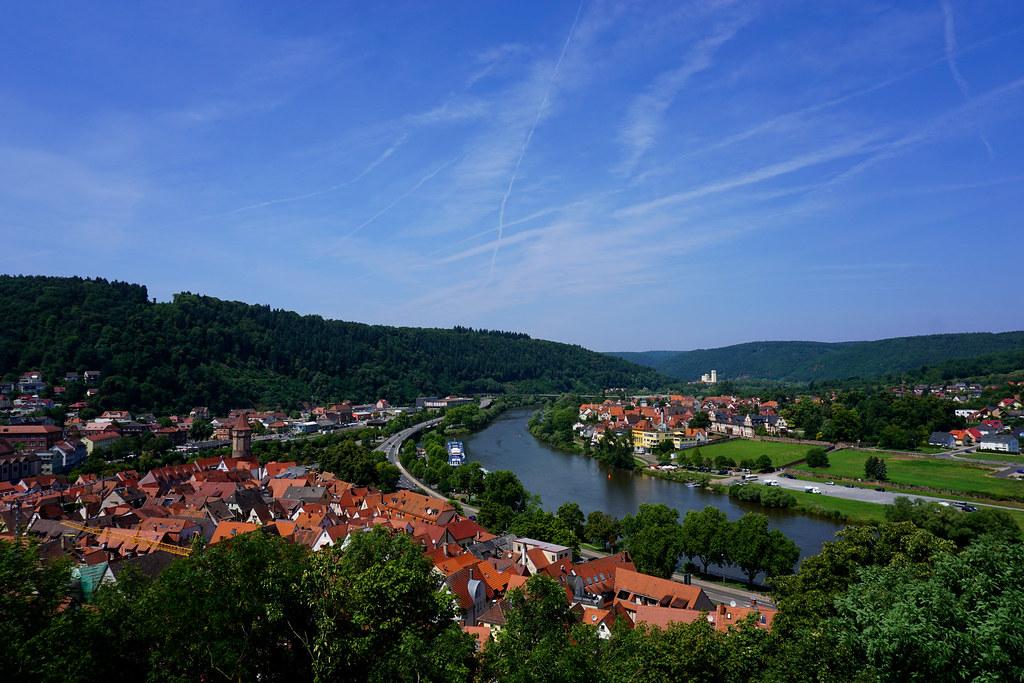
Frankfurt's rental market is tightening again. Landlords are pushing through rent increases on renewal notices across Sachsenhausen and Bockenheim, and the pool of available two-bedroom flats within the city's Ring has shrunk to levels not seen since before the 2020 pandemic. For the tens of thousands of tenants whose fixed-term leases expire in the second half of 2026, the question is simple and brutal: what now?
The pressure matters because Frankfurt's housing squeeze is structural, not cyclical. The city's population has grown steadily toward the 780,000 mark, demand from the financial sector and the expat community remains strong, and new construction completions have consistently lagged the targets set under the city's Wohnbauoffensive programme. The Wohnbauoffensive, a multi-year residential construction initiative backed by Stadtplanungsamt Frankfurt, aimed to deliver several thousand new units annually, but approvals data and industry reports have repeatedly shown completions falling short. That gap between supply and demand is what tenants now feel every time a lease letter lands on the doormat.
The Numbers Behind the Squeeze
Buying is theoretically on the table for some. Frankfurt's average residential purchase price sits around €6,000 per square metre citywide, though Westend and Sachsenhausen consistently trade above that figure, prime Westend stock has been quoted above €8,000 per square metre in recent agency listings. A 75-square-metre flat in Nordend, traditionally the city's family-friendly middle ground, would carry a purchase price of roughly €450,000 at average rates. Factor in notary fees, land transfer tax at 6 percent in Hesse, and estate agent commissions, and a buyer needs close to €500,000 to close a standard deal without leverage problems. For a dual-income household earning close to the Frankfurt median, that requires a deposit of at least €100,000 just to satisfy conservative lending criteria at institutions like Frankfurter Sparkasse or Deutsche Bank's retail division.
Renting, meanwhile, is no longer the affordable fallback it once was. New-let asking rents in Bockenheim, one of the city's most sought-after mid-market neighbourhoods, anchored around the Leipziger Strasse corridor and the Bockenheimer Warte U-Bahn stop, have been advertised in the €18 to €22 per square metre range for refurbished stock in mid-2026. A 65-square-metre flat at that rate runs to more than €1,400 a month cold, before utilities or the Nebenkosten bill that typically adds another €200 to €300.
Options When the Lease Ends
Tenants who receive a non-renewal notice, legally, landlords in Germany must give three to nine months' notice depending on tenancy length under §573c of the Bürgerliches Gesetzbuch, have more tools than they might think. The first is to formally contest a rent increase through the Mieterverein Frankfurt, the city's tenants' association, which maintains a local rent index comparison service. Under the Mietspiegel, Frankfurt's legally recognised rent index, landlords cannot raise rents beyond a defined cap tied to comparable local flats over the previous three years. Challenging an increase through the Mieterverein costs members a relatively modest annual fee and has resulted in reductions or freezals in a significant share of cases taken up in recent years.
For those who must move, the practical calculus involves looking east and north. Bornheim, directly east of the city centre and served by the U4 line to Bockenheimer Warte, still shows asking rents running slightly below Sachsenhausen equivalents for unrenovated stock. The Nordend-West pocket around the Günthersburgpark offers larger floor plates in Gründerzeit buildings that sometimes slip under the radar of Westend-focused searchers.
Those sitting on accumulated savings face a genuine fork. With the European Central Bank having moved rates through several adjustments since 2022, mortgage conditions in mid-2026 are materially different from the near-zero era. Fixed ten-year rates from major Frankfurt-based lenders were hovering in the 3.5 to 4 percent range earlier this year, according to mortgage comparison platforms. At that cost of capital, owning a flat starts to compete with renting on a pure monthly-outgoing basis, but only if the buyer can stomach the upfront costs and a long holding period. For everyone else, the Mieterverein desk on Schumannstrasse remains the most useful first call when the lease renewal letter arrives.
This article is general information only and is not personal financial or investment advice. Consider your own circumstances and seek licensed professional advice before making financial decisions.