property
First-Time Buyers Battle €6,000 Per Square Metre Frankfurt Property Prices
Younger buyers are circling Bockenheim and parts of Sachsenhausen, but stretched affordability and tight inventory mean the path to a first purchase remains gruelling.
How we reported this
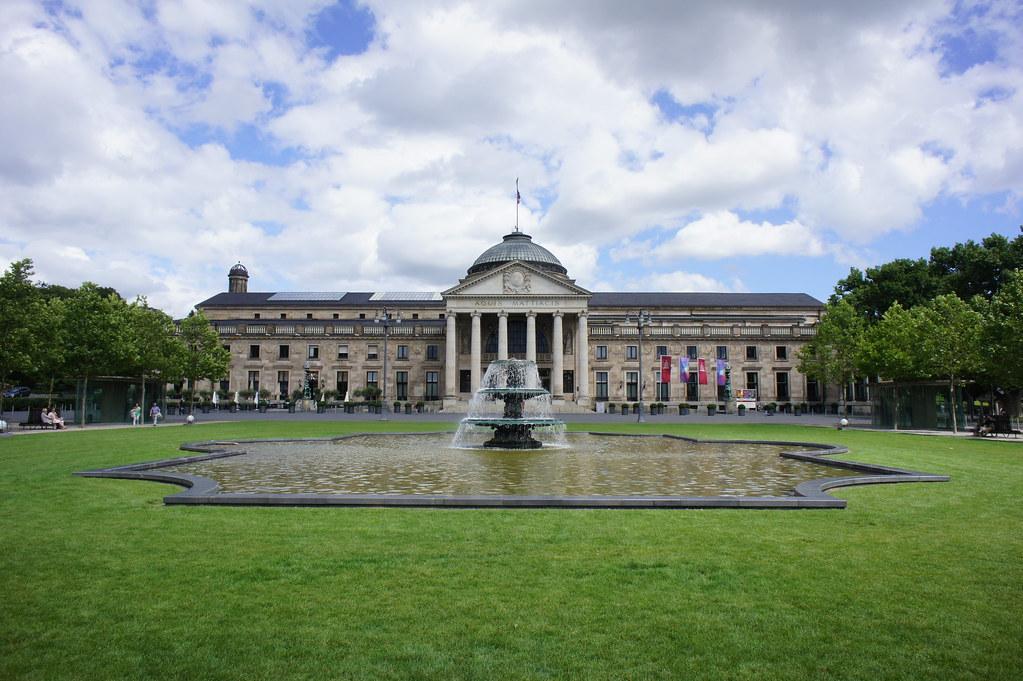
First-home buyers in Frankfurt are active again, cautiously, selectively, and with sharply adjusted expectations. After two years of sitting on the sidelines as interest rates climbed and asking prices stayed stubbornly elevated, a cohort of first-time purchasers has returned to viewings across the city's mid-tier neighbourhoods, according to property listings activity and broker commentary tracked through mid-2026. The city-wide average of roughly €6,000 per square metre has not meaningfully retreated, but the compression of mortgage rates back toward the 3.5 to 3.8 percent band since late 2025 has cracked open a door that many thought was sealed shut.
The timing matters for a specific reason. Frankfurt's rental market, particularly in Nordend and the districts popular with bank and tech sector expats, has pushed monthly rents to levels where the financial gap between renting and owning is narrowing for the first time since 2021. For a buyer able to bring 20 percent equity to the table on a €400,000 flat, a figure that now buys roughly 65 to 70 square metres in Bockenheim, monthly mortgage servicing costs are edging closer to comparable rental outlay. That calculation is driving the first meaningful uptick in first-buyer enquiries that Frankfurt agents have seen in several years.
Where First-Time Buyers Are Actually Looking
Bockenheim remains the entry point of choice. The neighbourhood, sandwiched between the Westend's premium pricing and the university district, still offers two-bedroom apartments in older Gründerzeit stock starting in the €320,000 to €380,000 range, depending on floor and condition. Berger Straße in Bornheim draws a second wave of first-time interest, slightly further east, slightly more affordable on a per-square-metre basis than the Nordend addresses that younger buyers covet but cannot reach.
Sachsenhausen's northern fringe, particularly the streets immediately south of the Alte Brücke, has attracted attention from buyers priced out of the Westend but unwilling to leave the inner city entirely. Listings there have moved faster in the second quarter of 2026 than in the same period a year ago, a signal that latent demand at the €5,200 to €5,600 per square metre level is real. The Westend itself, where prices routinely breach €8,000 per square metre in well-maintained pre-war buildings, remains firmly out of reach for the typical first purchase.
KfW's homeownership support programs continue to underpin the calculation for many buyers. The federal development bank's Wohneigentum für Familien programme, relaunched with adjusted income thresholds in 2024, offers subsidised loan tranches that can meaningfully reduce effective borrowing costs for households under specific income caps. Frankfurt's Stadtplanungsamt has also maintained its designation of several Bockenheim and Sachsenhausen parcels under local Milieuschutz rules, which, while primarily a renter-protection mechanism, has indirectly kept a lid on speculative redevelopment and preserved older, modestly priced owner-occupier stock that first buyers can still access.
The Numbers Behind the Optimism
The arithmetic is still brutal by historical Frankfurt standards. A buyer targeting a 70-square-metre flat at the city average of €6,000 per square metre faces a purchase price of €420,000 before notary fees, Grunderwerbsteuer at 6 percent in Hessen, and agent commission. All-in acquisition costs regularly land 12 to 15 percent above the listed price. On a 25-year annuity mortgage at 3.7 percent with a 20 percent deposit, monthly principal and interest payments run to approximately €1,750, a figure that competes directly with upper-tier Nordend rents but still demands substantial savings upfront.
For buyers who cannot assemble a full deposit, Frankfurter Sparkasse and several regional cooperative lenders have reintroduced 90 percent loan-to-value products in limited volume, though with stricter income documentation requirements than were common before 2022. The products exist; the qualifying hurdles are higher than they were.
Buyers watching this market should move with a clear budget ceiling rather than a target neighbourhood. Bockenheim and northern Sachsenhausen will continue to absorb first-buyer demand through the second half of 2026, but inventory remains thin, typically fewer than 200 active listings in any sub-€450,000 bracket at any given moment on the major portals. Those who have pre-arranged financing through KfW channels or a direct bank commitment are closing faster. Those still shopping for a mortgage while bidding are routinely losing out.
This article is general information only and is not personal financial or investment advice. Consider your own circumstances and seek licensed professional advice before making financial decisions.