property
Frankfurt Renters Struggle as Housing Costs Exceed 30% Income Rule
As housing costs climb in Frankfurt, residents and newcomers alike weigh the balance between paying rent and making ends meet.
How we reported this
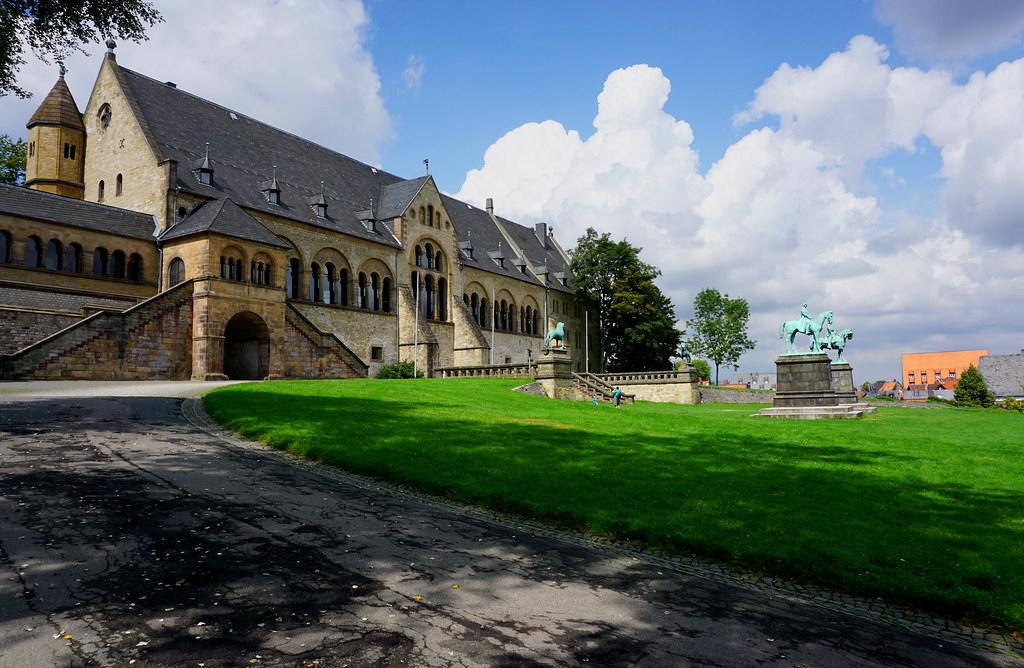
Frankfurt’s booming rental market is posing a familiar question for many residents: how much of your income should safely go towards rent? For years, the widely cited guideline has been 30%, but as average rents in the city approach new highs, more tenants are finding that rule harder and harder to follow.
Why the 30% Rule Matters Right Now
The 30% rule-which recommends spending no more than a third of your monthly gross income on housing-has been standard advice for financial planning. In 2026, however, the cost of living in Frankfurt continues to climb, making this threshold more difficult to maintain, especially in sought-after areas like Westend and Sachsenhausen. For newcomers arriving for jobs in finance or tech-and for long-term residents alike-figuring out what is affordable in practice is starting to depend on more than just rules of thumb.
Frankfurt’s property landscape is under scrutiny as demand intensifies. Stadtwerke Frankfurt’s initiatives, like the 2025 energy efficiency improvements for older apartment blocks in Bockenheim and Nordend, have brought some relief in utility costs. Still, rental contracts along Oeder Weg in Nordend and Schweizer Straße in Sachsenhausen are setting new price benchmarks as the city’s reputation as a global financial centre continues to attract well-paid expats and corporate tenants. At the same time, local organisations, including the Mieterbund Frankfurt, report a steady increase in the number of tenants seeking advice about affordability concerns and rent hikes.
Frankfurt by the Numbers
A recent analysis by ImmobilienScout24 placed the average rent for a standard two-bedroom apartment in Frankfurt at around EUR 1,650 per month-a figure that now puts pressure on the 30% rule. With the current median gross monthly income in Hessen reported at roughly EUR 4,150 (Statistisches Bundesamt, April 2026), that sets the 30% mark at around EUR 1,245. In effect, securing a mid-range rental property in prime locations is already pushing typical households beyond the recommended threshold. In Westend, listings approaching EUR 20 per square metre are not uncommon, while in Nordend, rents have climbed by approximately 8% since 2024, according to data from wohnungsboerse.net published in June 2026. The continued luxury development along the Main River and premium conversions near Alte Oper have also put upward pressure on average rents citywide.
For families, the pressure intensifies. Larger flats in districts such as Bornheim or Riederwald come at a premium, and local experts from the Frankfurter Caritasverband observe that single-parent households or those relying on a single income are often forced to consider smaller units or locations further out from the centre, where transport connections may not be as robust. Competition for subsidised units from Nassauische Heimstätte is fierce, with wait times stretching into months.
Outlook and Pragmatic Steps
With rents showing no sign of dropping and home purchase prices remaining above EUR 6,000 per square metre in most central districts, the practicality of the 30% rule is under debate. While government-backed programs like Frankfurt’s Wohngeld Plus (an expanded housing benefit scheme) offer some relief for eligible lower-income tenants, the majority must weigh trade-offs between location, space, and affordability. Financial advisers recommend that renters factor in all housing-related expenses-including utility bills, which have also edged upward since 2025-before committing to contracts that would tip their housing costs over the 30% threshold.
Residents considering a move or newcomers weighing the rent-versus-buy equation are urged to scrutinise their total cost of living, explore less-hyped neighbourhoods like Fechenheim or parts of Griesheim, and seek advice from local advocacy groups such as the Mieterbund. Ultimately, as housing supply struggles to keep pace with demand, each Frankfurt household must draw its own line on the affordability spectrum-a calculation that goes beyond percentages to consider community, commute, and quality of life.
This article is general information only and is not personal financial or investment advice. Consider your own circumstances and seek licensed professional advice before making financial decisions.