sport
Frankfurt's New Arena Plans Boost City's Growing Fitness Culture
Europe-wide tender for multifunctional arena next to Deutsche Bank Park underscores commitment to sports access for teams and residents.
How we reported this
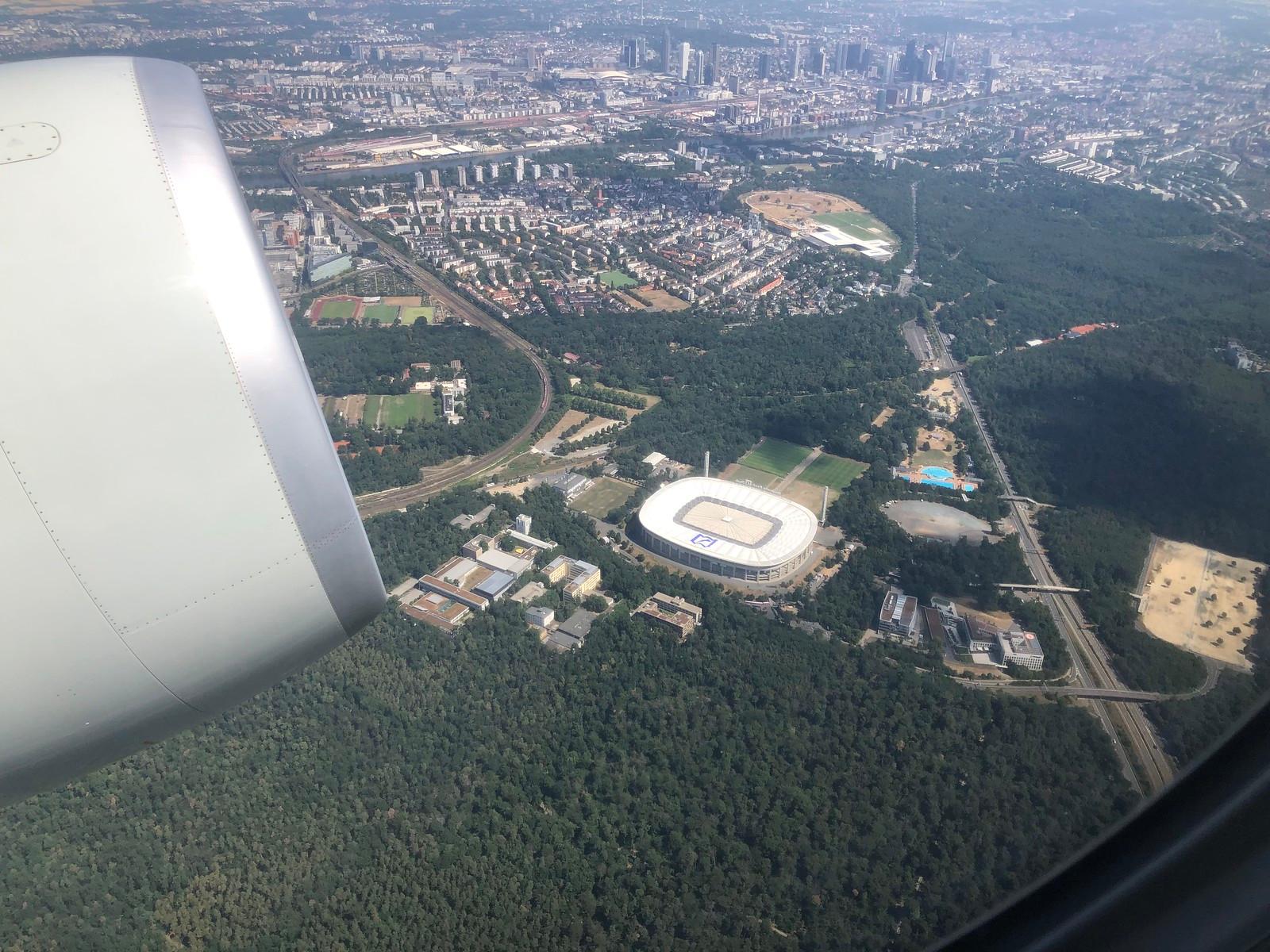
Frankfurt has launched a Europe-wide tender for planning services for a new 15,000-capacity multifunctional arena next to Deutsche Bank Park, with contract awards scheduled for July 2026. This step follows the city council's approval in principle of the arena project in January 2025.
The development addresses Frankfurt's position among Germany's top 10 cities without a major arena, aiming to support bids for events such as European Championships and the German Olympic bid. Local sports organisations stand to benefit directly from improved facilities that can accommodate growing interest in team sports and events.
Project details tied to existing venues
The arena is planned adjacent to Deutsche Bank Park, also known as Waldstadion. Eintracht Frankfurt has expressed willingness to become the arena's operator if built next to Waldstadion, although the final operator will be chosen through a tender process. The venue is intended as the new home for Skyliners Frankfurt basketball and Löwen Frankfurt ice hockey.
Construction costs are estimated at approximately €256 million, to be financed by the city. Completion is currently anticipated no earlier than 2030. These elements build on Frankfurt's established sports infrastructure, including Deutsche Bank Park, to expand options for organised participation.
Evidence from approvals and timelines
The January 2025 council approval and the current tender process provide concrete milestones. The 15,000-capacity figure and €256 million cost estimate come directly from project documentation. These specifics indicate sustained investment in venues that can host regular league games and community events, pointing to underlying demand in local fitness and sports culture.
With the tender advancing now, the city continues work on filling a longstanding gap in major indoor facilities. Future operator selection and planning contract awards in July 2026 will determine next phases without altering the core aim of supporting local teams and broader participation.