wellness
Frankfurt's Best Fermented Foods Boost Gut Health Locally
From Korean kimchi in Nordend to homemade sauerkraut at Sachsenhausen’s markets, Frankfurt’s shops and eateries are embracing probiotic-rich eating.
How we reported this
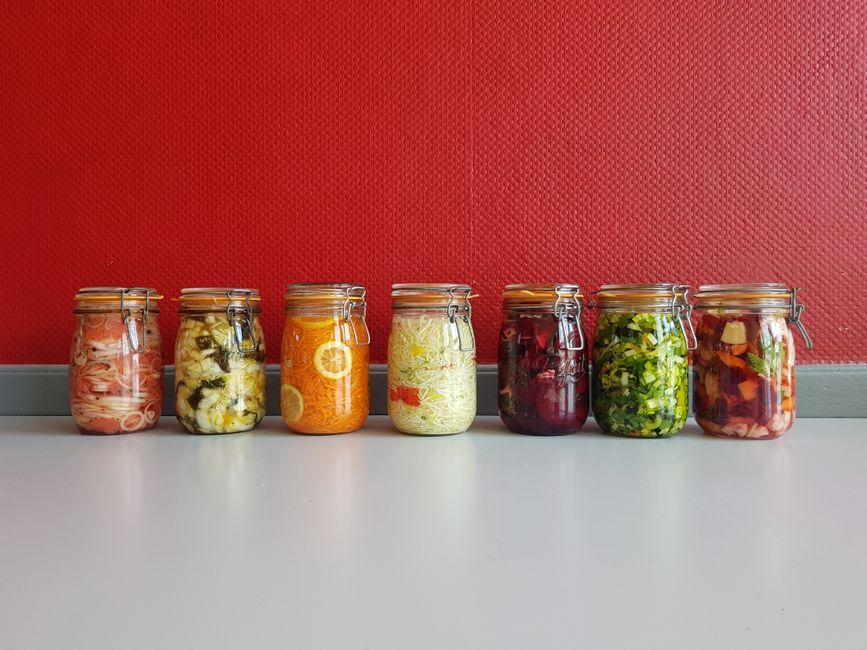
Pick up a fresh jar of kimchi at the Markt im Hof in Sachsenhausen, and you’re not just adding spice to your plate-you could also be supporting your gut health. Sales of homegrown and international fermented foods across Frankfurt have risen steadily this year, as more residents learn about the link between probiotics and digestive wellbeing.
It’s a timely shift. City nutritionists report a new wave of interest in the "microbiome"-the complex community of microorganisms that call our digestive tracts home-following recent research out of the Goethe University Hospital. The studies highlight how fermented foods, long a staple in German and international cuisines, provide beneficial bacteria shown to support immunity, mood, and digestive health. With stress-related digestive complaints among urban adults rising, the wellness conversation is moving from generic healthy eating towards food that supports gut flora.
Frankfurt’s Fermentation Hotspots
On any given Saturday, the weekly farmers’ market on Konstablerwache is crowded with shoppers snapping up jars of sauerkraut, barrels of house-fermented pickles, and small-batch kefir. Händler Fermentations-a fixture at the market-offers locally-made kimchi for €5.90 per 300g jar. Meanwhile, vegan supermarket Veggiezz on Berger Straße has tripled its lineup of kombucha brands since January, reflecting rising demand from cycling commuters after their morning rides along the Main.
Frankfurt’s multicultural edge is on display at Biomarkt in Bornheim, where you’ll find miso from the Frankfurt-based label SojaRevolution and yoghurty Turkish ayran from the local Süt Kultur dairy cooperative. Even Gruneburgpark’s food truck pop-ups now offer spicy tempeh wraps, catering to runners and picnickers looking for more than just bread and cheese. For those keen to learn the fermenting craft, the Kochwerkstatt culinary school in Nordend will launch a series of fermentation workshops this September, with sessions already booked out weeks in advance.
The Numbers: Fermented Food and Frankfurt Wellness
According to data from the Frankfurt Consumer Advice Centre (Verbraucherzentrale Frankfurt), fermented foods now make up more than 12% of all chilled vegetable product sales in the city’s supermarkets-up from 8% just two years ago. Market research from REWE City stores shows kombucha sales have doubled citywide in the first half of 2026. Public health officials cite research by the Robert Koch Institute showing that 70% of Germans aren’t eating enough fiber or fermented foods to support optimal gut function-a gap local wellness programs now aim to close.
A shopper at the Kleinmarkthalle will pay around €3.50 for a litre of freshly-made kefir, while that handmade kraut from Sachsenhausen’s Markt im Hof runs €4 per jar. For those tight on time, most DM and Alnatura outlets offer ready-to-eat kimchi, kefir, and non-dairy probiotic drinks in their refrigerated aisles, usually priced between €1.70 and €4.50.
Where does this trend go next? Nutritionists at the Goethe University Hospital say the evidence is strong: adding a daily serving of naturally fermented foods can help maintain digestive balance. Local wellness initiatives, like the city-run "Besser Esser" campaign, are planning gut health pop-ups later this year across Bornheim and Westend. If you’re just getting started, consider a weekly "gut-friendly" challenge-a portion of sauerkraut with potato salad from your local deli, or trying spicy kimchi tacos at the next Main river food festival. For personalized advice, consult your Hausarzt or a registered nutrition expert. As more of Frankfurt turns to fermented foods, it’s a move towards supporting both local producers and your own wellbeing-one tangy bite at a time.