wellness
Building Psychological Resilience With Small Daily Habits
Frankfurt workers are layering brief pauses and movement into commutes and lunch breaks to steady their minds against rising urban pressures.
How we reported this
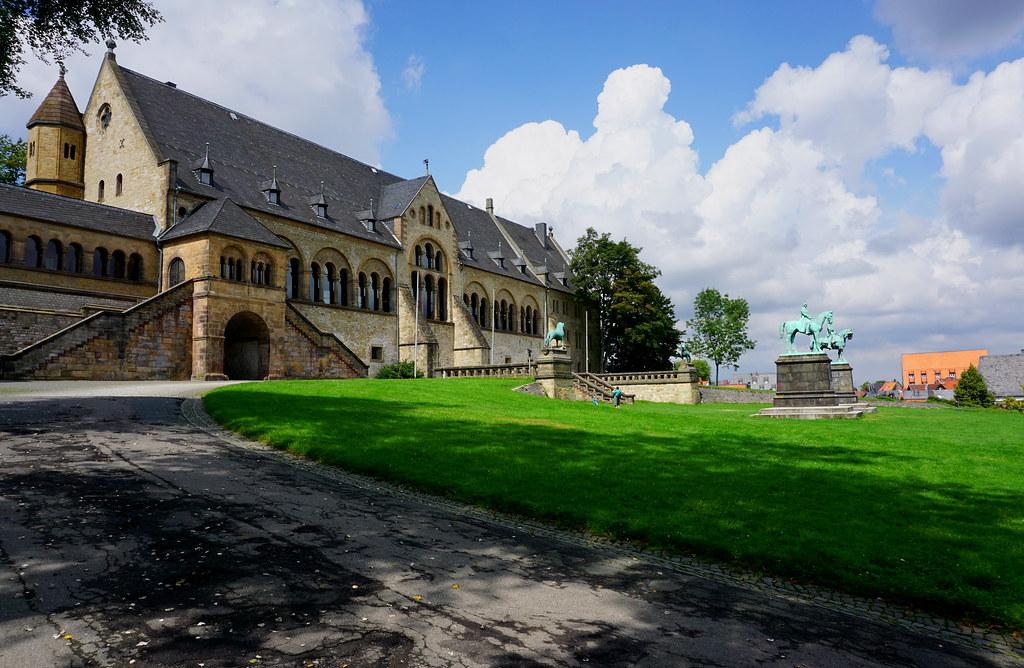
Frankfurt residents report adding two or three two-minute breathing pauses to their workdays, a shift tracked by the city’s health department in its 2025 wellbeing audit released last month.
The pattern has gained traction this summer because daily commutes along the Main and through dense office districts in the Westend have lengthened for many, leaving less recovery time between meetings and family duties. Goethe University Hospital recorded a 19 percent rise in stress-related outpatient visits between January and May compared with the same period in 2024, prompting staff to share simple habit protocols with local employers.
Routes that double as reset buttons
Commuters who cycle the Main riverside path from Sachsenhausen to the city centre say the ten-minute ride itself functions as the first habit. A second pause occurs inside Grüneburgpark, where runners complete a single loop before returning to desks. The hospital’s outpatient clinic on Theodor-Stern-Kai now runs a free four-week micro-habit course on Tuesdays at 12:15 that teaches the same sequence to shift workers and students.
A 2025 Techniker Krankenkasse survey of 8,400 Hessian residents found that participants who logged at least one outdoor micro-break daily scored 14 points lower on the Perceived Stress Scale than those who did not. The same study noted average monthly public-transport costs of €89 for unlimited zone travel, a figure many now compare against the zero cost of the park loop.
Stacking the next small action
Residents who complete the hospital course receive a one-page checklist that slots a third habit into the evening: writing three lines about the day while standing at the kitchen counter. City parks department data shows Grüneburgpark footfall between 18:00 and 19:00 rose 27 percent year-on-year, consistent with the added evening step. Those who keep the checklist for eight weeks can book a free follow-up call with a hospital psychologist through the same booking line used for the course.
Local employers including the European Central Bank’s Frankfurt site have begun posting the checklist on internal boards, giving staff a shared reference without requiring new software or paid apps.