wellness
Frankfurt Residents Boost Sleep Quality With 3 Bedroom Environment Fixes
Frankfurt residents can improve nightly rest by addressing temperature, light and noise in their bedrooms with targeted adjustments.
How we reported this
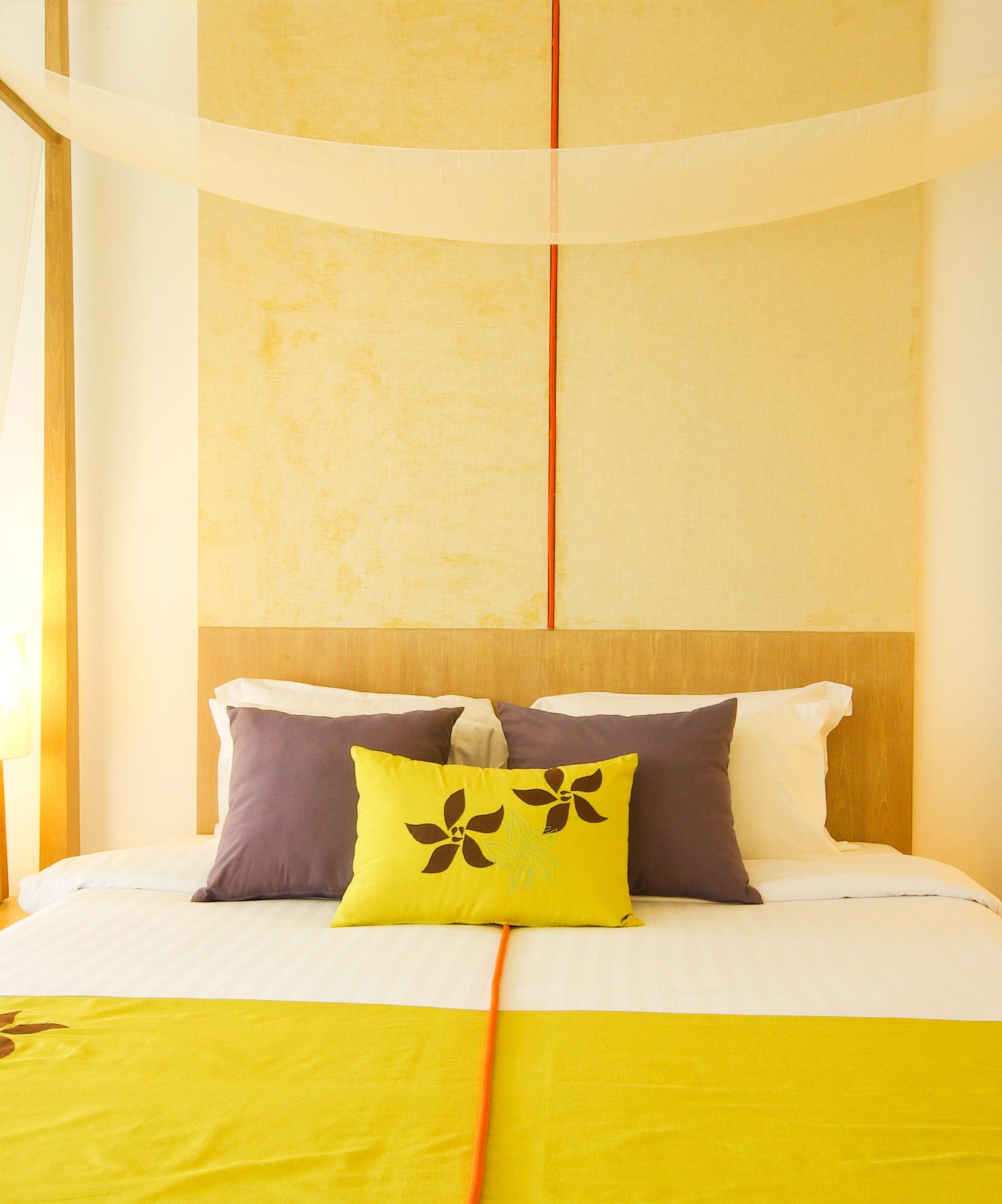
Frankfurt sleep researchers report that more than one in three adults in the city experience disrupted rest tied to bedroom conditions rather than underlying medical issues. A structured checklist focused on the sleep space itself is gaining attention among commuters and shift workers who cycle the Main riverside paths or train in Grüneburgpark before dawn.
July heat and extended daylight hours this summer have pushed more residents to examine how their living spaces affect recovery. Urban noise from trams on Friedberger Landstraße and light spill from high-rises in the Nordend district compound the problem for people who already manage demanding schedules around Goethe University Hospital shifts or evening cycling clubs.
Local factors shaping Frankfurt bedrooms
Goethe University Hospital’s outpatient sleep unit recorded a 22 percent rise in referrals between January and June 2026, many linked to environmental complaints rather than clinical disorders. Residents in the Westend and Sachsenhausen neighbourhoods cite street lighting and evening foot traffic as primary disruptors. Local cycling groups that meet at the Main river promenade note that participants who adjust their home environments report stronger daytime energy on routes through Palmengarten.
A 2025 German Sleep Society survey found 34 percent of adults in cities over 500,000 residents wake at least twice nightly due to temperature or light. In Frankfurt the figure aligns closely with national data, with average summer bedroom temperatures reaching 24 degrees Celsius without intervention.
Practical checklist steps
Start by setting the thermostat between 16 and 18 degrees Celsius, using blackout curtains priced from 85 euros at local home stores on Berger Straße. Replace older pillows every 18 months and position the bed away from windows facing active streets. Evening walks through Grüneburgpark help regulate circadian rhythm, while avoiding screens after 10 p.m. supports the same cycle. Residents who combine these steps with consistent wake times report measurable improvements within two weeks. Consult a physician at Goethe University Hospital or a local Hausarzt for personalised guidance before making major changes.